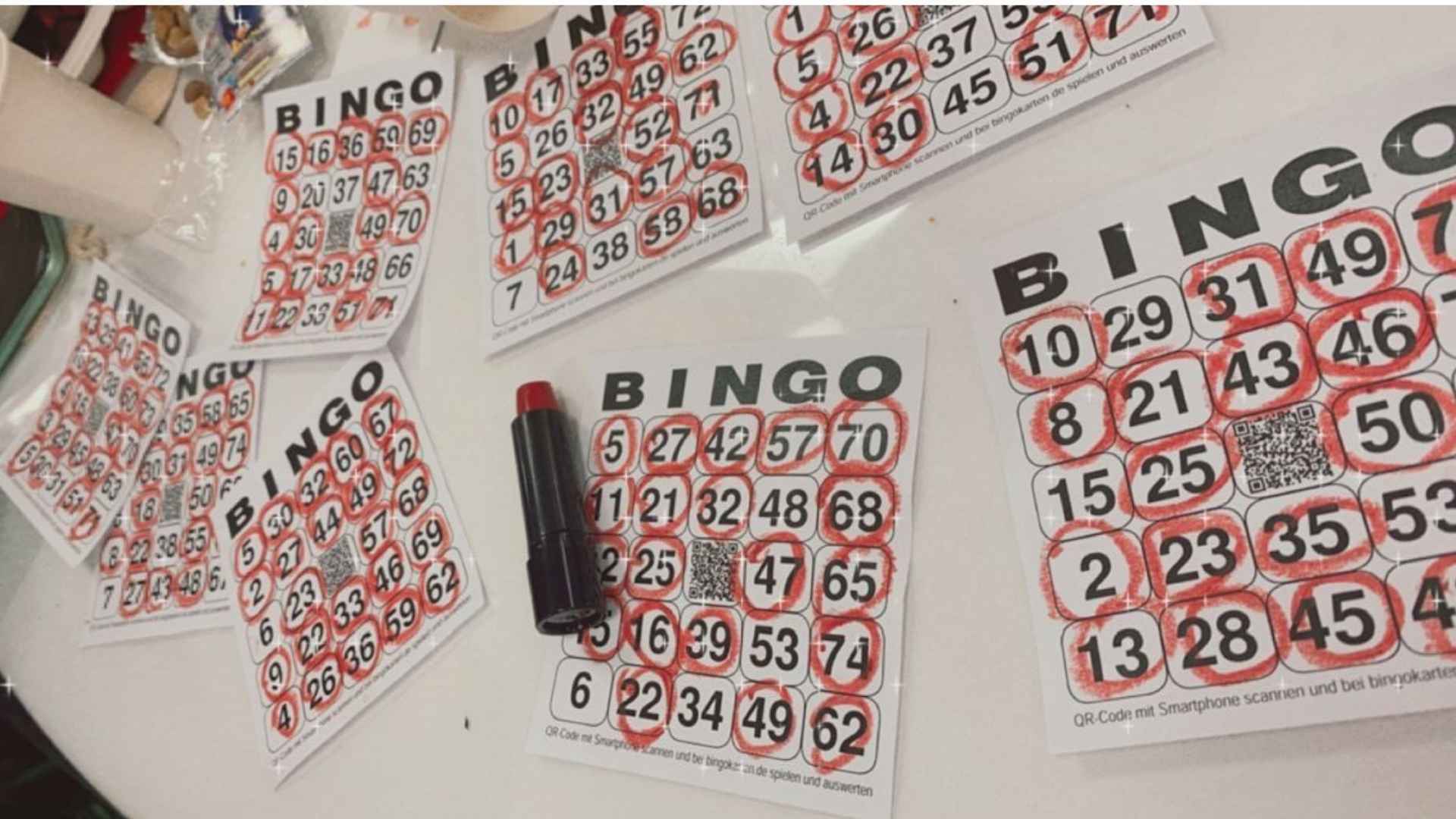
Analytical skills have become a vital asset in modern society, influencing everything from daily financial decisions to complex problem-solving in corporate environments. Engaging with structured number games offers an accessible and highly engaging method to strengthen these cognitive processes without the monotony of traditional practice drills. By challenging the brain to recognize patterns and process numerical logic, players can naturally cultivate sharper deduction frameworks over time.
The Connection Between Mathematics and Critical Logic
Numerical puzzles force the brain to abandon immediate guesswork and rely on structured methodologies to arrive at accurate conclusions. When resolving complex digit placements or arithmetic patterns, players must actively evaluate multiple variables under strict environmental constraints. This continuous assessment trains the mind to process overlapping sets of information and anticipate subsequent outcomes with higher accuracy.
As these cognitive patterns become second nature, individuals find it much easier to apply similar systemic evaluation strategies to professional and academic challenges. Exploring reliable digital platforms like M88id can provide standard reference benchmarks for logical problem-solving systems across various formats. Developing this persistent mental framework enhances overall processing efficiency and improves long-term memory retrieval systems.
How Grid Puzzles Encourage Systematic Deduction
Grid-based numerical entertainment requires players to systematically eliminate incorrect possibilities by analyzing spatial and arithmetic relationships across a fixed layout. Each strategic decision directly impacts surrounding elements, creating a dynamic chain of logic that rewards careful planning and absolute patience. This structural layout discourages rash choices and emphasizes the profound importance of calculating the secondary consequences of any given action.
Over time, this specific training builds a stronger tolerance for complex tasks that require sustained cognitive focus and meticulous attention to detail. Players learn to break massive difficulties down into smaller, highly manageable pieces to navigate toward a valid final outcome. This disciplined decomposition technique serves as a fundamental cornerstone for top-tier analytical thinking across numerous scientific and technical industries.
The Practical Impact of Probability Modeling
Advanced numerical variations frequently incorporate elements of probability and statistical distribution to simulate real-world uncertainty and risk assessment. Engaging with these dynamic systems teaches individuals how to make calculated decisions even when some parameters remain obscured or entirely unpredictable. Understanding the underlying likelihood of specific outcomes empowers players to navigate complex situations using logical models rather than emotional reactions.
This regular simulation of risk management helps reduce anxiety when facing complicated, real-world problems that lack straightforward definitions or immediate solutions. By mastering the balance between known variables and potential statistical fluctuations, individuals become far more competent strategists in everyday planning scenarios. The mental flexibility gained from these exercises remains highly beneficial across diverse personal and professional endeavors.
Cultivating Lifelong Cognitive Resilience
Consistent interaction with thought-provoking number challenges provides excellent long-term protective benefits for overall neurological health and processing speed. Studies indicate that targeting the prefrontal cortex with structured arithmetic logic aids in maintaining strong working memory capacity as the brain matures. Dedicating a brief portion of your daily routine to these puzzles serves as an efficient workout that keeps the mind exceptionally sharp.
Beyond the obvious intellectual advantages, successfully navigating a difficult logical matrix delivers a healthy sense of personal accomplishment that mitigates routine stress. This harmonious blend of mental stimulation and intellectual satisfaction makes numerical games a sustainable habit for learners of all ages. Embracing these challenges ensures that your analytical abilities remain robust, versatile, and ready for future demands.