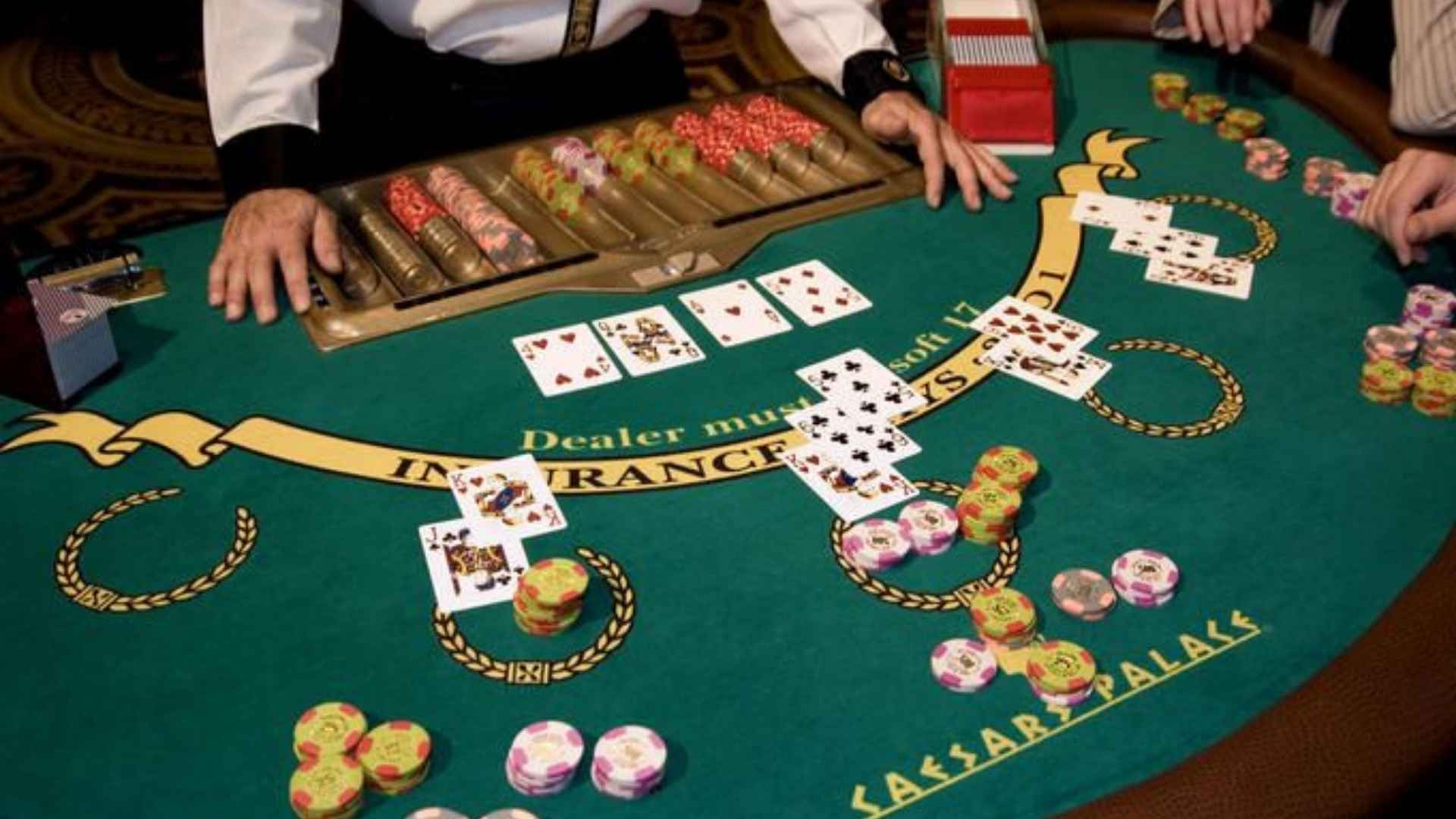
The layout and atmosphere of traditional casino gaming floors have shifted significantly to accommodate the expectations of modern enthusiasts. Baccarat, a card game historically associated with quiet high-stakes rooms and strict social rituals, has undergone a major design evolution. Discovering the core characteristics of contemporary baccarat tables highlights how operators balance classical elegance with cutting-edge digital efficiency.
Streamlined Physical Frameworks and Table Compactness
Traditional layouts often required massive physical tables that occupied substantial space and relied on large groups of dealers to manage. Modern casino floors frequently implement smaller bean-shaped or semi-circular variations designed to optimize space and foster closer communication. This structural adjustment allows a single professional croupier to manage all card distributions and financial transactions efficiently.
The compact design changes the psychological framework of the game by creating a highly personal and accessible betting environment. Casual participants can approach these modern layouts with greater confidence since the imposing physical barriers of older salons are minimized. This architectural shift ensures that the game fits seamlessly into high-traffic digital and land-based environments.
Integration of Digital Interfaces and Screen Technologies
One of the most defining elements of a contemporary baccarat layout is the inclusion of advanced electronic display screens. These built-in digital monitors track complex game statistics automatically, displaying traditional pattern-tracking maps like the Big Road and Bead Plate in real time. Players rely heavily on these instantaneous visual updates to analyze trends and formulate their upcoming wagering choices.
In many modern gaming arenas, physical chips are completely replaced or augmented by personal touch-screen betting terminals embedded directly into the tabletop. This fusion of automated technology and traditional dealers minimizes human calculation errors and accelerates the overall pace of play. Enthusiasts looking to explore modern wagering methods can also explore digital promotions like m88 体育奖金 to diversify their interactive entertainment options.
Expanded Alternative Wagering and Side Action
Classic iterations of the game focused almost exclusively on the three primary outcomes of player, banker, or tie. Contemporary variations have transformed this baseline structure by incorporating an extensive array of optional side wagers. These innovative features introduce unique reward possibilities based on specific card pairings, point margins, or natural combinations.
By expanding the betting window beyond standard choices, modern tables appeal directly to strategic thinkers who enjoy managing multi-layered risks. The presence of side markets injects extra anticipation into every round, even when primary point totals remain relatively straightforward. This comprehensive feature set ensures that the table dynamic remains engaging throughout prolonged gaming sessions.
Enhanced Game Velocity and Multi Camera Streaming
The temporal flow of modern gameplay has been carefully engineered to satisfy the demands of contemporary participants. Automated shuffling machines and standardized dealer procedures ensure that consecutive rounds unfold with lightning-fast efficiency. This rapid pacing allows participants to enjoy a much higher volume of hands without facing administrative delays.
Furthermore, virtual and live dealer platforms utilize high-definition multi-camera configurations to broadcast physical table operations directly to external devices. Players receive crisp visual angles of the card disclosures, ensuring absolute operational transparency and replication of real-world casino elements. This combination of speed and sensory immersion forms the cornerstone of the modern baccarat experience.